Jordan Schröder · 22 November 2026
How Marine Acoustics Influence Live Performance Acoustics at Coastal Entertainment Hubs
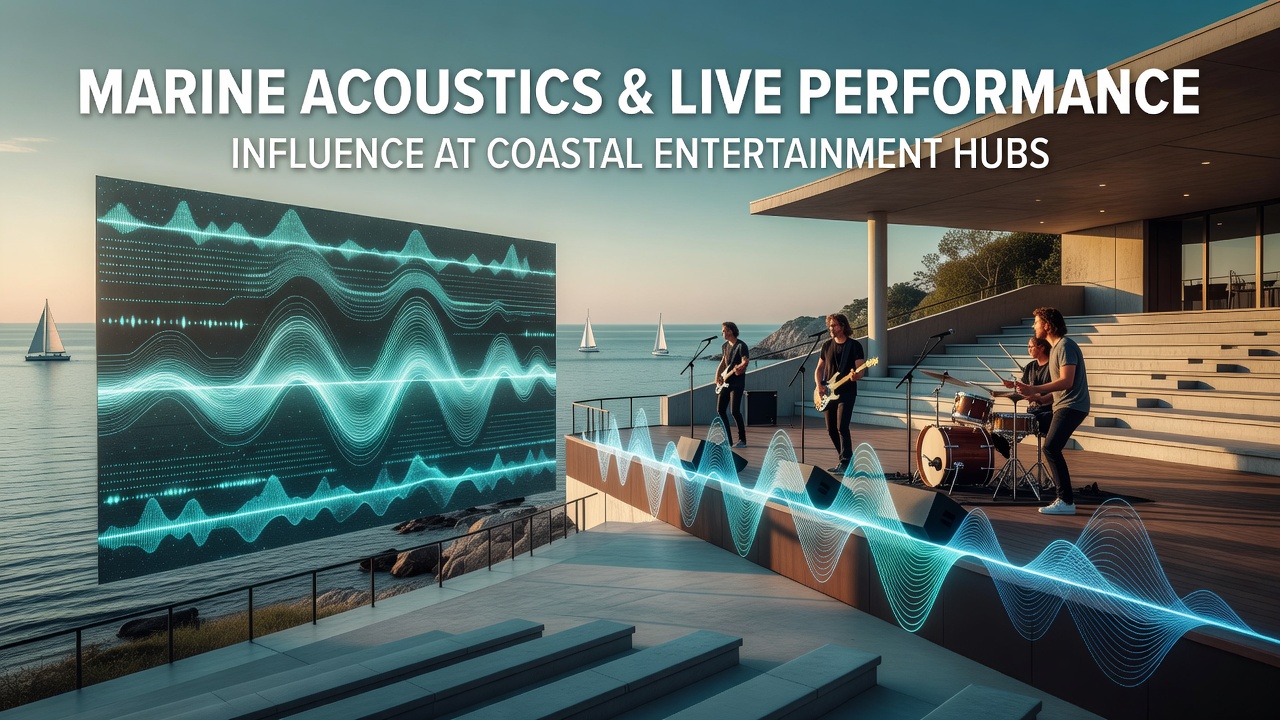
Marine acoustics shape the sound environment at coastal entertainment hubs through constant interactions between underwater noise sources and the air above the surface, and venues along shorelines must account for these factors when planning live performances. Sound waves generated by ocean waves, marine life, and vessel traffic travel through water before crossing into the atmosphere, which creates layers of ambient sound that blend with music and spoken word on stage. Researchers track these patterns because low-frequency components from distant shipping lanes often carry farther than higher frequencies from breaking surf, and this differential propagation affects how audiences perceive clarity during concerts or theater productions.
Sound Transfer Mechanisms at the Water-Air Boundary
Sound moves differently across the boundary where water meets air because most acoustic energy reflects back downward while a smaller portion transmits upward, adn studies of this transmission show that frequencies below 500 hertz penetrate more readily than those above 2,000 hertz. Coastal performance sites therefore experience a persistent low rumble from commercial shipping routes that can mask bass lines in musical acts, while higher-frequency details from stage monitors remain relatively unaffected. Data collected by oceanographic sensors reveal seasonal shifts tied to changes in water temperature layers, which alter how far these sounds travel before surfacing near amphitheaters and boardwalk stages.
Role of Tides, Winds, and Marine Life
Tidal movements modify local water depth and current speed, which in turn changes the way wave noise reaches performance areas, and stronger incoming tides often increase broadband noise levels by several decibels across the audible spectrum. Wind patterns across the water surface add another variable because they generate spray and surface turbulence that scatters sound in unpredictable ways during outdoor events. Marine mammals contribute intermittent calls and clicks that occasionally overlap with quiet passages in performances, and monitoring programs at several shoreline venues have recorded these biological sounds coinciding with peak attendance periods in summer months. Observers note that these combined sources create a dynamic acoustic floor that technicians adjust for by altering equalization settings in real time.
Case Examples from Established Coastal Sites
Venues positioned along the Pacific coast of North America have documented how container ship traffic from nearby ports raises the background noise floor during evening shows, and engineers at these locations deploy directional microphones and digital signal processing to isolate performer audio from the surrounding marine soundscape. Similar patterns appear at European sites where ferry routes cross near festival grounds, and measurements taken over multiple seasons indicate that vessel speed restrictions in adjacent waterways correlate with measurable drops in low-frequency interference. Australian coastal theaters report parallel challenges during whale migration periods when vocalizations travel through shallow bays and reach seating areas, prompting organizers to schedule certain acts during lower-activity windows. These examples illustrate consistent patterns across different geographic regions rather than isolated incidents.
Measurement Techniques and Ongoing Research
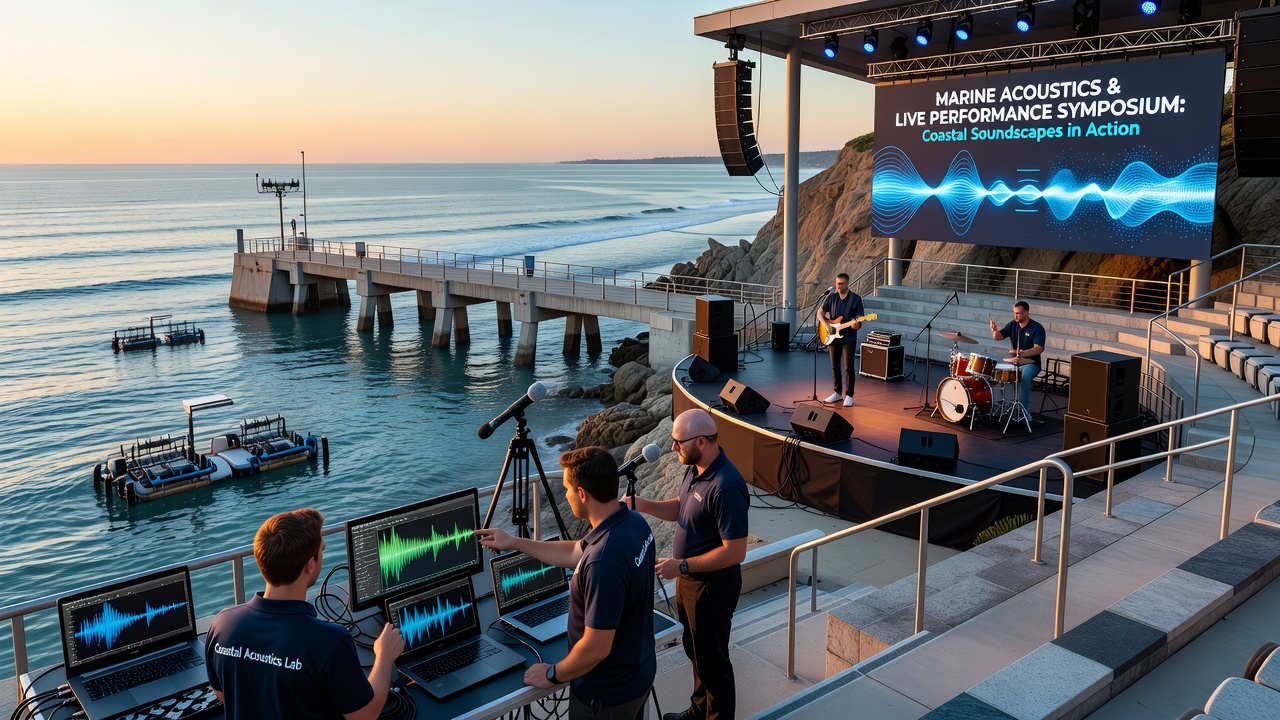
Acoustic monitoring arrays placed both underwater and on land allow researchers to correlate marine sound events with changes measured at performance spaces, and the resulting datasets help refine predictive models used by venue planners. According to NOAA ocean acoustics resources, underwater noise from human activity has increased substantially in many coastal zones over recent decades, and this trend directly informs noise budgeting calculations for open-air stages. Complementary work from institutions in the Southern Hemisphere, including reports available through the Australian Institute of Marine Science, tracks how reef and shelf environments contribute distinct frequency signatures that reach nearby entertainment districts. These combined findings support the development of site-specific acoustic profiles that guide speaker placement and structural barriers.
Adaptation Strategies Employed by Venues
Design teams incorporate floating barriers and angled reflectors to deflect incoming marine noise away from audience zones, and these physical interventions work alongside software tools that analyze incoming sound and apply corrective filters during live mixing. Scheduling adjustments based on tide tables and vessel traffic reports help reduce overlap between high-noise periods and sensitive performance segments, while some hubs invest in submerged sensor networks that feed real-time alerts to production crews. Training programs for audio engineers now include modules on marine sound characteristics so that on-site decisions reflect the full range of environmental inputs rather than air-only assumptions.
Developments Scheduled for November 2026
Preparations are underway for an international workshop focused on coastal acoustics modeling that will convene in November 2026, and participants plan to review updated propagation models that incorporate recent shipping lane data and climate-driven changes in ocean stratification. Outcomes from this gathering are expected to influence design guidelines for new entertainment infrastructure along developed shorelines, particularly where performance calendars intersect with protected marine zones. Venues monitoring these proceedings will gain access to refined simulation tools that integrate both biological and anthropogenic noise sources into unified forecasts.
Conclusion
Marine acoustics exert measurable effects on live sound at coastal entertainment hubs through predictable physical processes that researchers continue to quantify and model, and the strategies developed in response range from physical infrastructure to operational scheduling. Continued data collection across multiple regions supports ongoing refinement of these approaches, which in turn allows performances to maintain intended audio quality despite the persistent presence of ocean-generated sound. As monitoring technology advances and cross-disciplinary workshops such as the one planned for November 2026 deliver new insights, coastal sites will have additional resources to integrate marine acoustic considerations into their standard practices.